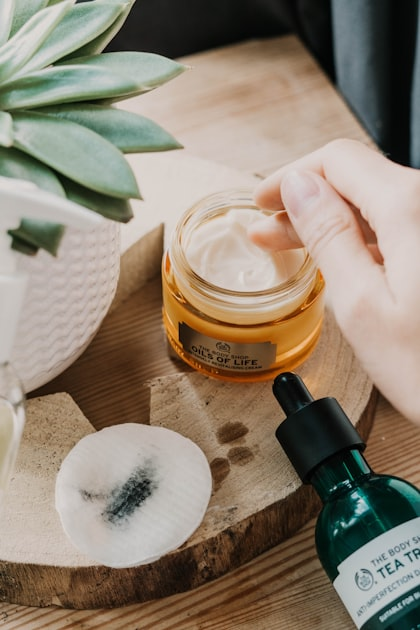
When I entered my 40s, I started noticing my skin felt unusually dry — especially my face. It felt like it was cracking in the desert, constantly thirsty for water. Almost as if my body knew I had turned 40.
I already had what I thought was a good skincare routine — toner, face cream, sunscreen — and I had always had relatively clear skin. But suddenly, it wasn’t enough.
A girlfriend took me to a Korean cosmetic store in California and encouraged me to try a $400 multi-step skincare set. I had never spent that much on skincare before, but I felt like I needed to do something dramatic.
I still remember how my face felt the next morning after using it. It was glowing. Plump. Hydrated.
I was hooked.
What Happens to Skin After 40?
After that experience, I started researching why skin changes after 40. What I learned surprised me — but it also made sense.
When women reach their 40s (for some earlier, for some later), hormonal shifts begin. Estrogen levels start to decline, and estrogen plays a major role in collagen production. As collagen decreases, skin naturally becomes thinner, drier, and less firm.
Hormonal changes affect many parts of the body, but here I’m focusing on what I noticed most — the changes in my face.
What Happens to Collagen After 40?
Collagen is the protein that keeps skin firm and resilient. Starting in our 30s — and accelerating in our 40s — collagen production gradually declines. Estrogen plays a key role in maintaining collagen levels, so when estrogen drops, skin can become thinner, less elastic, and more prone to dryness.
This is why a routine that once worked beautifully may suddenly feel insufficient.
For me, the biggest change was realizing that my skin wasn’t just dry — it felt like it was missing nutrients. I began focusing on how to replenish what my skin was losing and support it from the inside as well.
I’ve always been hesitant about Botox. I’m not against it, but I personally wanted to see how far I could go with functional skincare and supportive supplements first.
I started using a Korean multi-step set — toner, serum, and moisturizer — and added a more intentional nighttime routine with a richer facial cream and occasional sheet masks to boost hydration.
I also began adding collagen supplements to my drinks to support my skin internally.
What Truly Matters After 40
If you’re in your 40s, here’s what truly matters:
1. Embrace the Change
This is a new stage of your skin journey. Instead of fighting it aggressively, understand it. Your skin is evolving — and with the right care, it can still look healthy and vibrant.
2. Evaluate Your Skin Honestly
Is it dry, oily, or combination? For me, I experienced extreme dryness — but also random breakouts out of nowhere. Hormonal skin can be unpredictable. The key is adjusting your routine based on what your skin actually needs now, not what worked in your 20s or 30s.
3. Gentle Cleansing
Cleansing should never strip your skin. I focus on gentle foaming or creamy cleansers without harsh surfactants. I avoid aggressive rubbing and let the cleanser do the work. For my skin, formulas with botanical and herbal ingredients worked well.
4. Replenish and Layer
Hydration is critical. I apply toner (or balancer) immediately after towel-drying, followed by serum, lotion, and cream — especially in fall and winter. Layering helps deliver hydration gradually and supports the skin barrier. Multi-step Korean routines are designed with this layering concept in mind.
5. Sunscreen — Every Single Day
Whether you are outside or indoors, sunscreen is essential. UV exposure is one of the biggest contributors to premature aging. Consistency here makes a visible difference over time.
6. Occasional Boosting
I like using sheet masks before bedtime when my skin feels particularly dehydrated. They are not mandatory, but they can provide an extra hydration boost when needed.
What Didn’t Work for Me
At first, I made the mistake of trying to fix dryness by over-exfoliating. I thought removing dead skin would solve the problem, but it only made my skin more sensitive.
I also learned that using too many active ingredients at once can overwhelm hormonal skin. After 40, the goal is not aggression — it’s support and consistency.
Aging Is Not the Enemy
I’ll be honest — turning 40 felt like a shock to my skin. It was the first time I truly felt the aging of my body.
I had my children in my mid-to-late 30s, and for years I was focused on raising them. I didn’t pay much attention to myself. When I reached 40, I realized I needed to shift that mindset.
For me, self-care began with something simple but consistent — a thoughtful, multi-step skincare routine. It wasn’t about vanity. It was about feeling smooth, cared for, and confident in my own skin again.
Skin changes are natural. But with the right support and understanding, we can age intentionally — not fearfully.